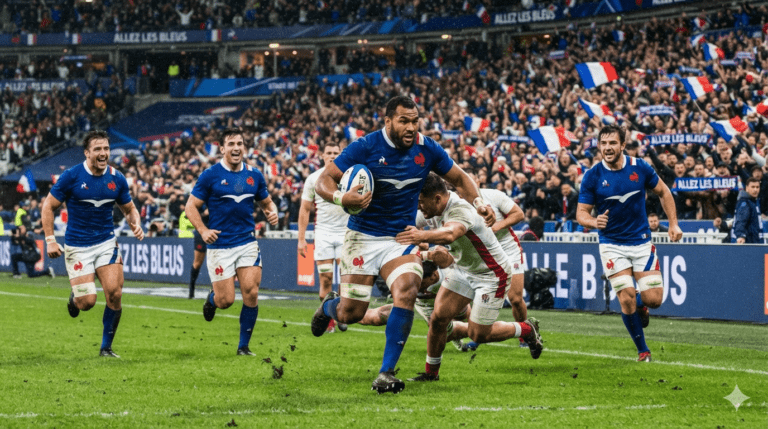



Have you ever sat on your couch during the summer games and wondered, Is Rugby an Olympic Sport? You are not alone! Many sports fans ask this exact question when they see athletes sprinting across a field with an oval ball. The short answer is a big, exciting yes! However, the story of how rugby got to the modern games is a wild ride full of twists, long breaks, and a major change in how the game is actually played.
When I first watched the modern version of this game at the Rio games, the pure speed blew me away. It does not look like the long, heavy matches you might see on TV during the winter. It is lightning fast, full of diving scores, and easy to follow. Let us dive deep into the world of international sports to find out exactly how this game became a favorite on the global stage.
Is Rugby an Olympic Sport Today?
Yes, it absolutely is! If you tune in to the Summer Olympic Games, you will see men and women flying down the pitch. But there is a catch that surprises many casual fans. The game played on the world stage is not the traditional version with 15 players on each team. Instead, the International Olympic Committee welcomes a special, high-speed version called rugby sevens.
This modern version brings a massive amount of energy to the global event. Instead of long, tactical battles, you get non-stop running and massive open spaces. It fits perfectly into a busy television schedule and keeps fans on the edge of their seats. The sport has earned a permanent home among the world’s greatest athletic events.
The Big Difference: Rugby Sevens vs. Rugby Union
To understand why this game works so well at the games, we have to look at the two main ways people play it. Traditional rugby union uses 15 players per side. Those matches last for 80 long minutes. It is a wonderful game, but it takes a massive physical toll on the athletes. Teams usually need several days of rest between games to recover from the brutal hits.
Now, let us look at rugby sevens. This version uses the exact same size field but features only seven players on each team. Because the field is so empty, players have room to sprint at top speed. Even better, the games are incredibly short. A normal match lasts just 14 minutes in total. This quick format allows teams to play multiple matches in a single day without collapsing from exhaustion.
The Secret History of Rugby in the Early Olympic Games
The story of this sport at the games actually goes back more than a century. It was introduced to the modern games by a man named Baron Pierre de Coubertin. He is famous because he helped reinvent the Olympic Games in the late 1890s. He loved the sport and believed it taught young people great values like teamwork, courage, and discipline.
Because of his support, traditional 15-a-side rugby was played at the games in 1900, 1908, 1920, and 1924. In those early days, the tournaments were quite small. Only a few nations sent teams across the ocean to compete. The games were often chaotic, but they showed that the sport had a unique power to draw big, passionate crowds.
Why the Sport Disappeared for 92 Long Years
After the 1924 games in Paris, the sport vanished from the schedule completely. Why did the International Olympic Committee drop it? There were a few big reasons. First, a massive fight broke out in the stands during the 1924 final match between the United States and France. The crowd grew very angry, and the scene turned ugly.
Second, Baron Pierre de Coubertin stepped down from his leadership role in 1925. Without its biggest fan running the show, the sport lost its safety net. The committee also realized that a 15-a-side tournament took up too many days and required too many athletes. The sport was quietly left behind as the games grew more modern.
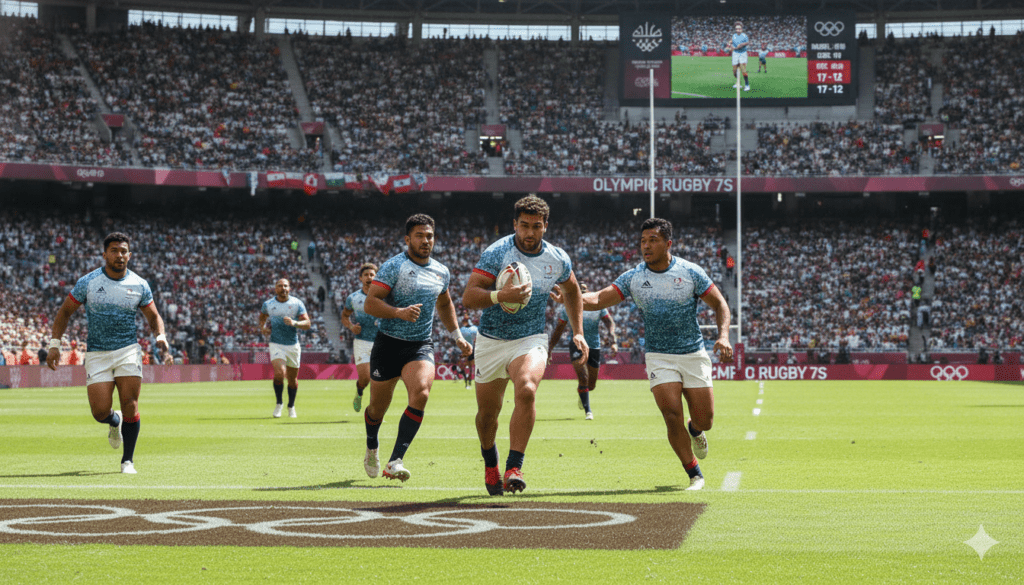
The Triumphant Return at the 2016 Rio Games
For nearly a century, fans pushed to get the sport back into the global spotlight. The big breakthrough finally happened in 2009. The International Olympic Committee voted to bring the game back for the 2016 games in Rio de Janeiro. But everyone agreed that the old 15s style would not work. The fast-paced sevens style was the perfect solution.
The tournament in Rio was an instant hit. Fans from every corner of the planet fell in love with the fast pace and simple rules. It allowed smaller nations to showcase incredible speed and skill. The return proved that the sport belonged on the world stage alongside running, swimming, and gymnastics.
Who Won the First Modern Olympic Rugby Medals?
When the sport returned in 2016, history was made in a beautiful way. In the men’s tournament, the tiny island nation of Fiji won the gold medal. It was the first Olympic medal of any kind in their country’s history. The whole nation stopped to celebrate, and the players became instant national heroes.
On the women’s side, Australia took home the very first gold medal after a thrilling match against New Zealand. These games showed the world that European nations were no longer the only powers in the sport. The global balance of power had shifted to the southern hemisphere, creating amazing new rivalries.
Complete Comparison of Olympic Rugby Formats
To help you see how the sport has changed over time, here is a detailed breakdown of the classic style versus the modern version you see on television today.
| Feature | Classic Olympic Rugby (1900-1924) | Modern Olympic Rugby (2016-Present) |
| Players on Field | 15 players per team | 7 players per team |
| Match Length | 80 minutes (Two 40-minute halves) | 14 minutes (Two 7-minute halves) |
| Roster Size | Large squads (often over 25 players) | 12 players total per team |
| Tournament Duration | Spread out over two or three weeks | Completed in just three action-packed days |
| Pace of Play | Slower, physical, tactical kicking | Extremely fast, high-scoring, open sprinting |
| Gender Divisions | Men’s tournaments only | Men’s and Women’s tournaments |
The Simple Rules of Olympic Rugby Sevens
You do not need to be an expert to enjoy an Olympic match. The basic goal is simple: carry the ball over the opponent’s goal line and press it to the ground to score a try. A try is worth five points. After scoring, a player can kick the ball through the goalposts for an extra two points.
The most important rule to remember is that players can only pass the ball backward or sideways with their hands. If a player drops the ball forward, the referee stops play. Players can kick the ball forward at any time, but running with it is usually the best way to find open space.
How Does the Olympic Tournament Work?
The modern tournament is designed to be a short, sharp shock of excitement. Both the men’s and women’s events feature 12 elite teams from around the globe. These teams are divided into three pools of four. During the first round, every team plays the other three countries in their group.
Winning a match earns a team three points, a draw earns two, and a loss earns one point. Once pool play ends, the top two teams from each group advance to the knockout round. The two best third-place finishers join them. From there, it is a single-elimination bracket until only the gold medal winner remains.
Dominant Countries on the Global Stage
Fiji has established a legendary reputation in the men’s Olympic division. Their natural flair, incredible passing skills, and raw speed make them nearly impossible to beat. They followed up their 2016 victory with another stellar performance at the Tokyo games, proving that size does not limit athletic greatness.
In the women’s division, New Zealand and Australia are the undisputed queens of the pitch. New Zealand’s famous Black Ferns team won gold at the Tokyo games and continued their dominance at the Paris 2024 games. These countries train intensely, raising the bar for women’s sports worldwide.
Why Fans Love the Modern Olympic Format
The biggest reason for the sport’s massive popularity is its sheer accessibility. You can sit down without knowing any complex strategies and immediately enjoy the action. Because a match is over in less than fifteen minutes, there is never a boring moment or a slow period of waiting around.
It is also an incredibly friendly environment. At the stadiums, fans from different nations sit together, sing songs, and wear colorful costumes. The athletes show immense respect to their opponents, often hugging right after a brutal tackle. It captures the true spirit of international friendship.

The Bright Future of Rugby at the Summer Games
The future looks incredibly bright for this fast-moving sport. It has already been locked in for the upcoming Los Angeles 2028 games. Playing in the United States will expose millions of new viewers to the thrill of sevens. This exposure helps local clubs grow and inspires young children to pick up a ball.
International sports organizers are thrilled with the television ratings and ticket sales. The game has proven to be a perfect modern sport. It is short, safe, inclusive, and intensely dramatic. We can expect to see these incredible athletes sprinting for gold for many decades to come.
Frequently Asked Questions (FAQs)
Is rugby an Olympic sport for both men and women?
Yes! The modern tournament features completely separate divisions for both men’s and women’s national teams. Both groups play by the exact same speed rules on the same full-size field.
Why don’t they play the 15-player version at the Olympics?
The traditional 15-player game requires at least several days of rest between matches for player safety. A full tournament would take weeks to finish, which does not fit into the short schedule.
How many points is a score worth in Olympic rugby?
A try is worth five points when a player presses the ball down in the end zone. A conversion kick adds two points, while penalty kicks and drop goals are worth three points.
Which country has won the most gold medals in modern Olympic rugby?
Fiji has been the dominant force in the men’s modern division, winning multiple golds. New Zealand and Australia hold the top honors in the highly competitive women’s division.
How long does an entire Olympic rugby match last?
An entire match takes just 14 minutes of game time. It is split into two halves of seven minutes each, with a very brief two-minute break at halftime to catch their breath.
Can players pass the ball forward in this sport?
No, throwing or passing the ball forward with your hands is strictly against the rules. All hand passes must go backward or directly sideways, though players can kick the ball forward.
Conclusion: Grab Your Snacks and Enjoy the Action!
Now you know the full story behind the question, is rugby an Olympic sport. It has evolved from a long, grueling historical game into the fastest, most thrilling spectacle on the summer schedule. The sevens format brings a unique mix of lightning speed, heavy hits, and immense sportsmanship to the international stage.
The next time the summer games roll around, make sure to check the broadcast schedule for this incredible sport. You will not regret it! Do you have a favorite national team you like to cheer for? Drop a comment below or share this guide with a friend who is getting ready for the next big tournament!